Optimal Timing for Culvert Repairs
Culvert repairs are most effectively performed during periods of stable weather and low water flow. Typically, late summer to early fall offers optimal conditions, as rainfall is reduced and water levels are lower, facilitating easier access and safer work conditions. Performing repairs during these times minimizes disruption to water flow and reduces the risk of project delays caused by adverse weather.
Late summer and early fall are ideal for culvert repairs due to predictable weather and lower water levels.
Heavy rainfall and snowmelt can cause water levels to rise, complicating repair efforts and increasing safety risks.
Planning repairs during dry periods helps ensure project timelines are maintained and reduces environmental impact.
Low-flow periods reduce sediment disturbance and minimize ecological disruption during repair activities.
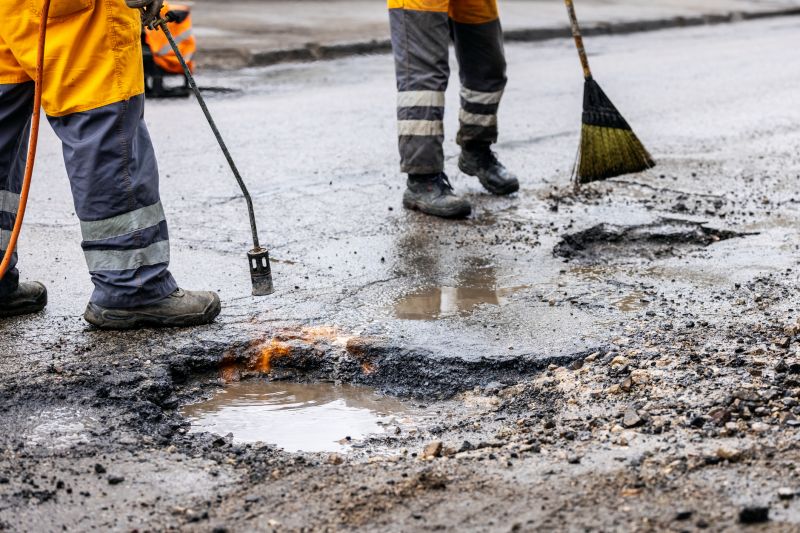
Workers perform repairs during dry summer months with minimal water flow.
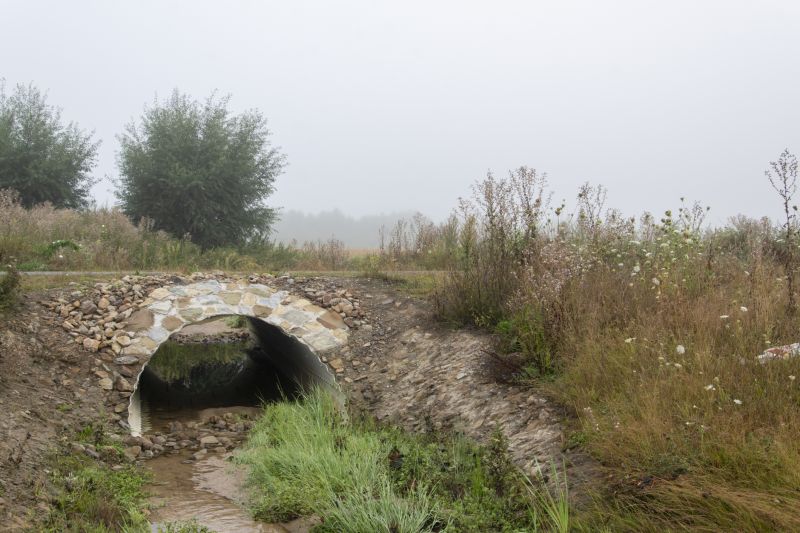
Low water levels during fall facilitate safer and more efficient repairs.
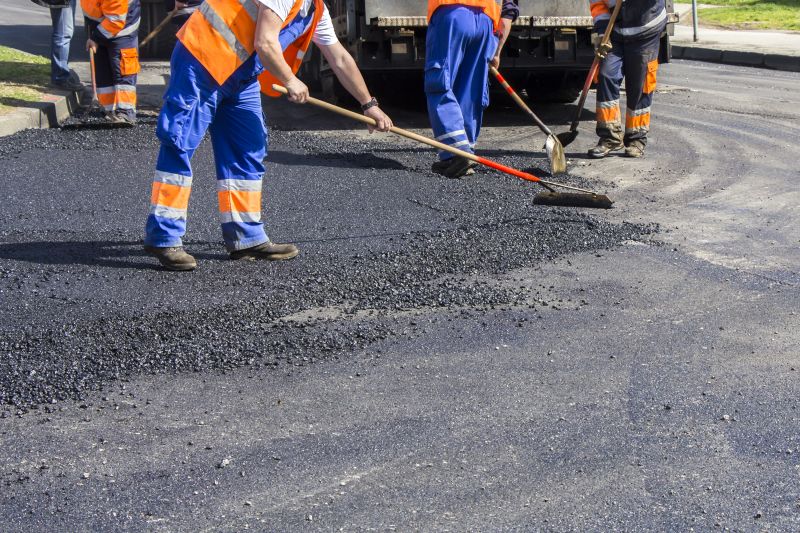
Construction crews work on culverts during optimal weather conditions.
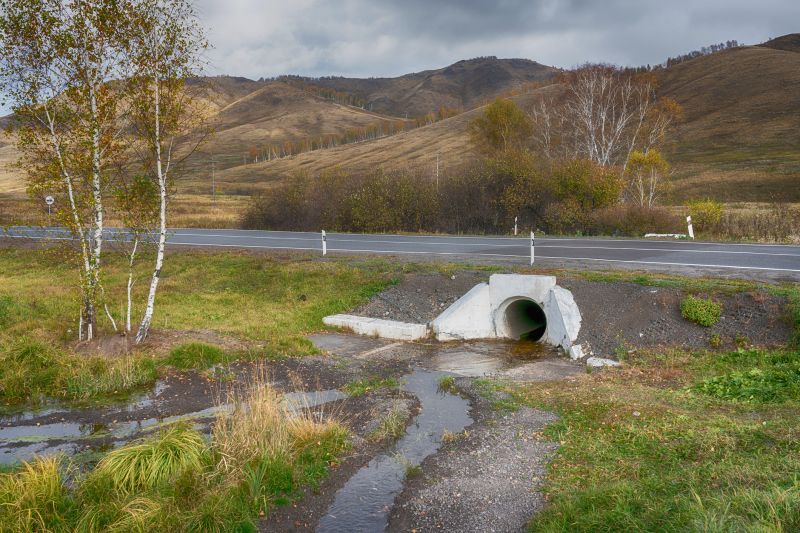
Ways to make Culvert Repairs work in tight or awkward layouts.
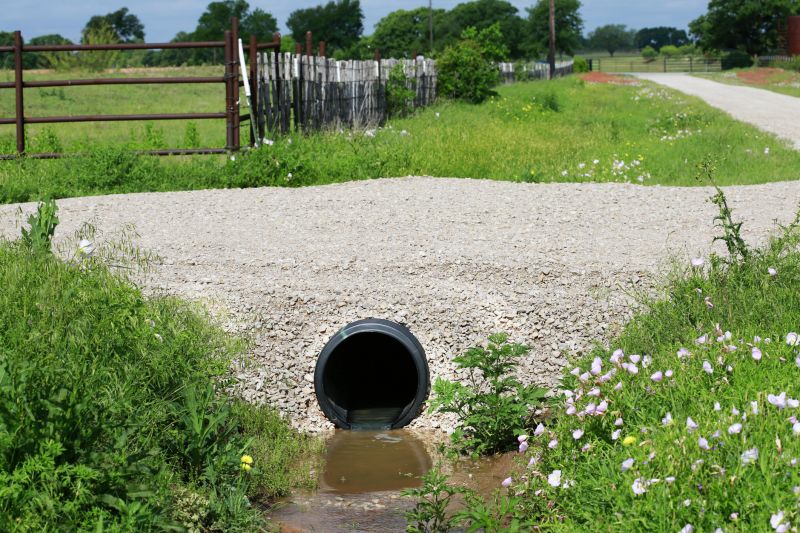
Popular materials for Culvert Repairs and why they hold up over time.
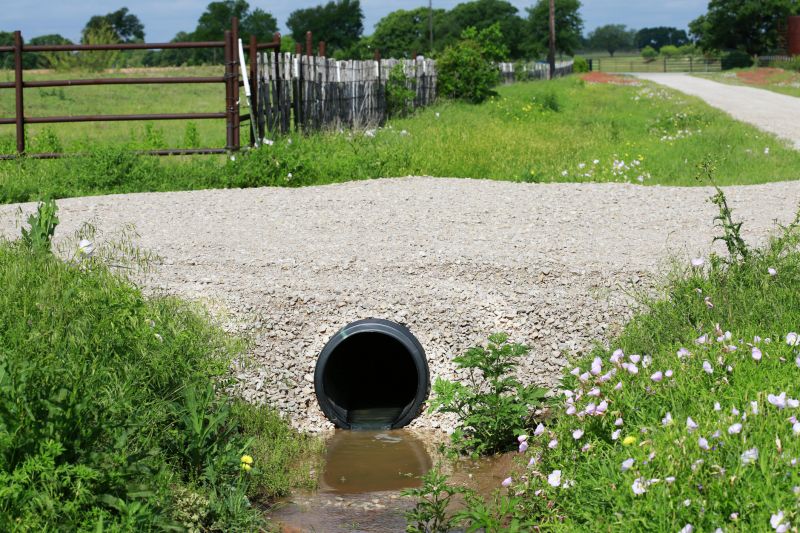
Simple add-ons that improve Culvert Repairs without blowing the budget.
| Season | Advantages |
|---|---|
| Late Summer | Lower water levels, stable weather, easier access |
| Early Fall | Reduced rainfall, minimal water flow disruptions |
| Spring | Post-winter thaw, but higher water levels and potential delays |
| Winter | Typically avoided due to snow and frozen ground |
Culvert repairs are essential for maintaining proper water flow and preventing infrastructure failures. Proper timing ensures safety, reduces environmental impact, and minimizes project costs. Statistically, scheduling repairs during dry seasons can reduce project duration by up to 30%, while also decreasing safety incidents related to water hazards. Regular inspections and timely repairs extend the lifespan of culverts and prevent costly emergency repairs.
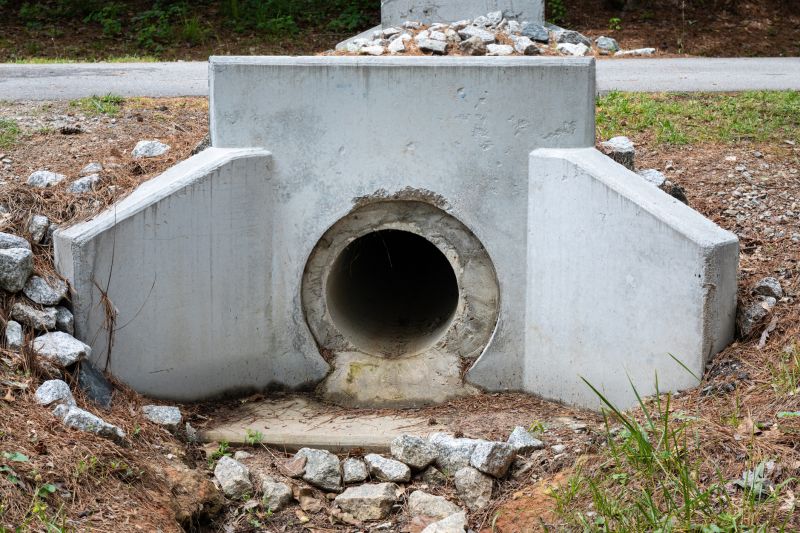
A crew working on a culvert during dry conditions.
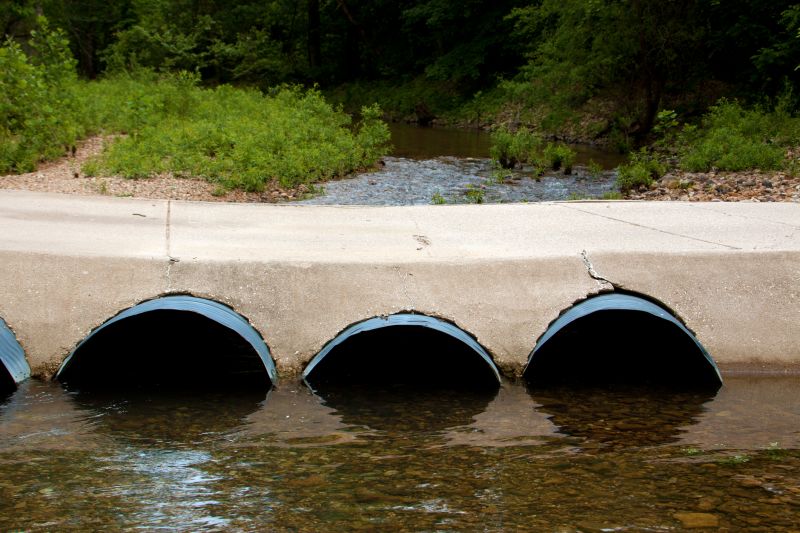
Inspectors assess culvert conditions during low water periods.
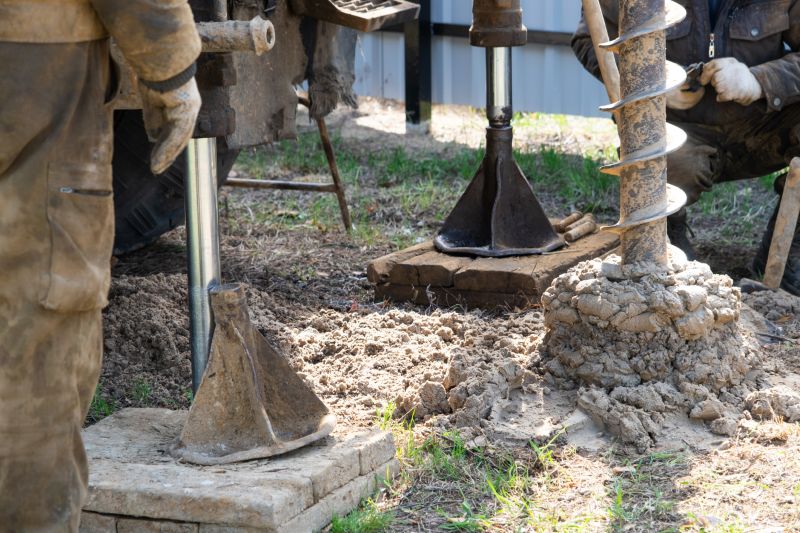
Machinery prepared for culvert repair projects.
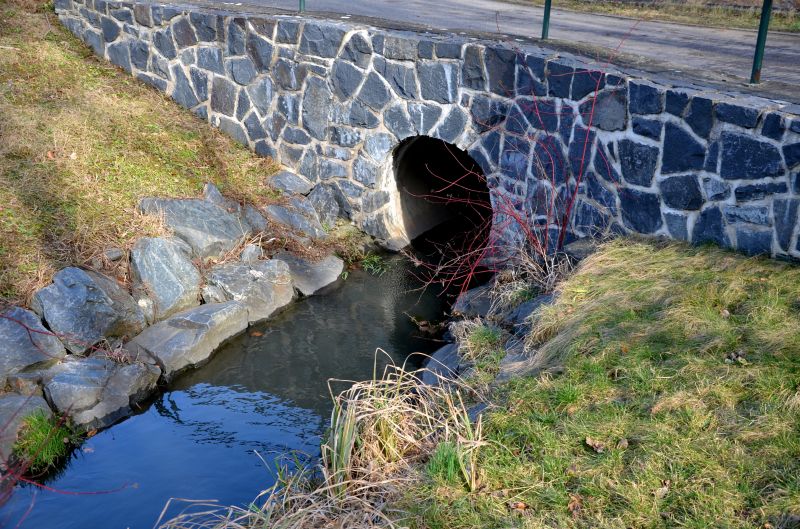
Finished repair work on a culvert in optimal conditions.
Interested parties should consider scheduling culvert repairs during periods of low water flow and favorable weather to ensure safety and efficiency. Proper planning and timing can significantly impact the success and longevity of repair projects. For more information or to discuss specific needs, contact the relevant authorities or service providers specializing in culvert repairs.